Small Bathroom Ideas: Smart Design Tricks
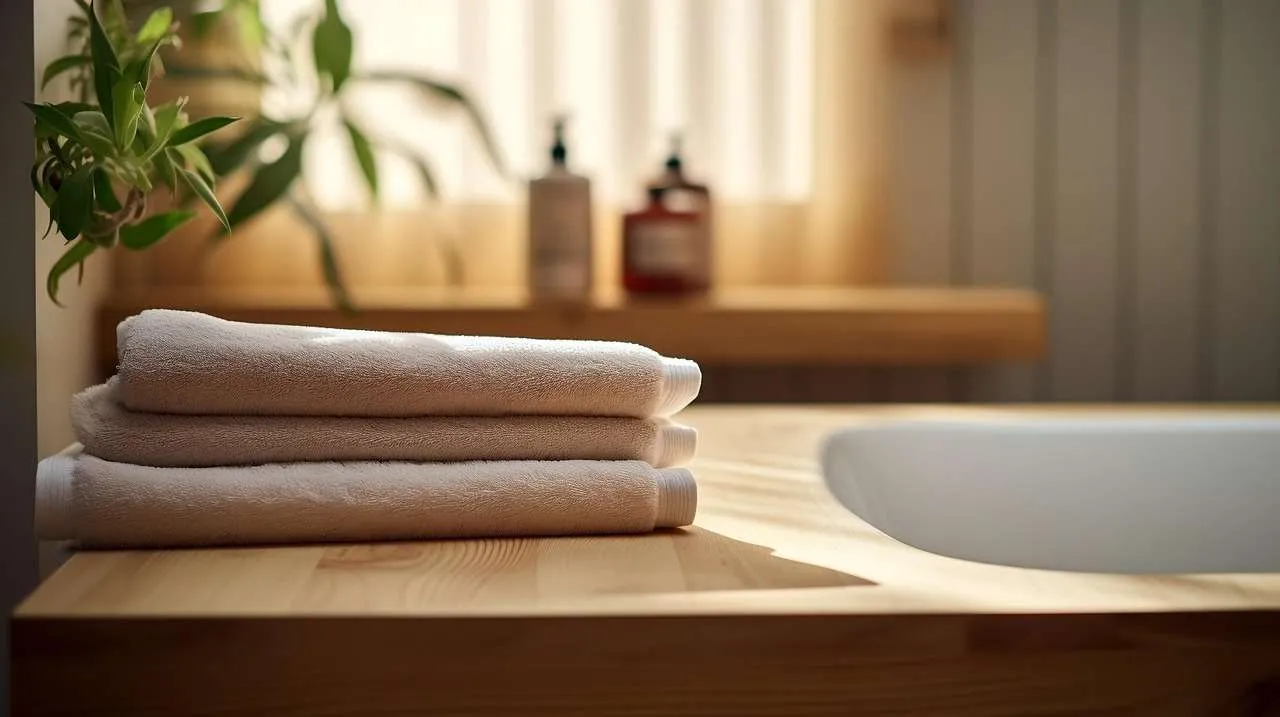
Small bathrooms often require clever thinking to feel open and functional. The core idea behind small bathroom ideas is to maximize every inch with smart layouts, built in storage, and light reflecting surfaces. This guide shares practical, expert insights for designing spaces that look larger, work better, and retain style.
Smart Layouts for Small Bathrooms
Plan the Layout
Start with a compact footprint plan. A common approach is to keep the doorway away from the primary sink and shower path to reduce congestion. If possible, position the toilet out of direct sightline behind a partial wall or install a corner sink to free floor space. A dry zone near the entry keeps air moving and makes the room feel calmer.
Door and Entrance Considerations
Where space allows, choose a pocket door or a slim sliding door. Replacing a standard swing door with a pocket door can reclaim several inches of usable width and reduce the impression of crowding. If a pocket door is not possible, an outward opening door with a narrow swing can help keep fixtures accessible.
Storage Solutions That Save Space
Vanity with Integrated Storage
Opt for a wall mounted or slimline vanity with drawers or cabinetry inside. A vanity with an integrated medicine cabinet adds vertical storage for small items while keeping the counter clear.
Wall Mounted Counters and Shelves
Floating vanities, shelves above the vanity, and towel rails mounted on the wall create vertical storage without crowding the floor. Use shallow shelves for toiletries and display friendly organizers for daily use products.
Niche Shelves and Recessed Storage
In the shower and above the tub, recessed niches hold shampoo, soap, and tools. These niches blend into walls, avoid bulky dispensers, and reduce clutter.
Color, Materials, and Lighting
Light Colors and Reflective Surfaces
Choose light paint colors and gloss tile finishes to bounce light around the room. Large format tiles with minimal grout lines help the space feel continuous and less busy. Mirrors dramatically expand perceived space; consider a full wall mirror or mirrored cabinet.
Lighting Layers
Apply a layered lighting plan with ambient lighting, task lighting around the mirror, and a small decorative light as a focal point. In tight spaces, vertical lighting mounted beside the mirror reduces shadows and creates the illusion of height.
Moisture Resistant Finishes
Use moisture resistant paints, sealed grout, and powder coated fixtures. Durable finishes reduce maintenance and preserve a fresh look in high humidity environments.
Fixtures and Fittings
Compact Fixtures
Install a compact toilet and a wall hung sink to free floor space. A corner basin can dramatically improve flow in extremely tight rooms. Choose a compact shower enclosure with doors that glide or pivot smoothly rather than a bulky hydro cab.
Shower Space Optimizations
Consider a curved or square shower tray that fits the available width. Frameless glass doors visually expand the space and make cleaning easier; if glass feels risky, a clear curtain is a budget friendly alternative that can still look sleek when paired with a simple track.
Comparison Table: Design Approaches
| Approach | Pros | Cons | Best For |
|---|---|---|---|
| Walk in Shower | Open feel and easier access | Higher waterproofing requirements | Small baths where space is precious |
| Vanity with Storage | Keeps counter clutter down | May reduce floor space | Families needing storage |
| Freestanding Tub | Strong focal point and style | Not ideal for small footprints | Spa like mood |
| Pocket Door | Maximizes usable width | Requires wall space and carpentry | Entrances facing the main bath area |
Maintenance and EEAT Considerations
To adhere to EEAT principles, rely on proven products, durable materials, and professional installers when needed. Use moisture resistant paints, high quality sealants, and properly rated fixtures. Keep maintenance simple with easy to clean surfaces and clearly labeled storage zones. Publicly sharing design checklists and including a tiered plan helps establish authority and trust with readers.
Maintaining an airy feel relies on scale, contrast, and rhythm. Pair soft colors with reflective surfaces, avoid heavy patterns, and keep fixtures proportional to the space. When in doubt, measure twice, visualize the flow, and test with temporary placeholders before committing to a finish.
Summary: This guide covers layout and storage tactics, light reflective finishes, and compact fixtures to maximize small bathroom ideas while maintaining durability and style.